
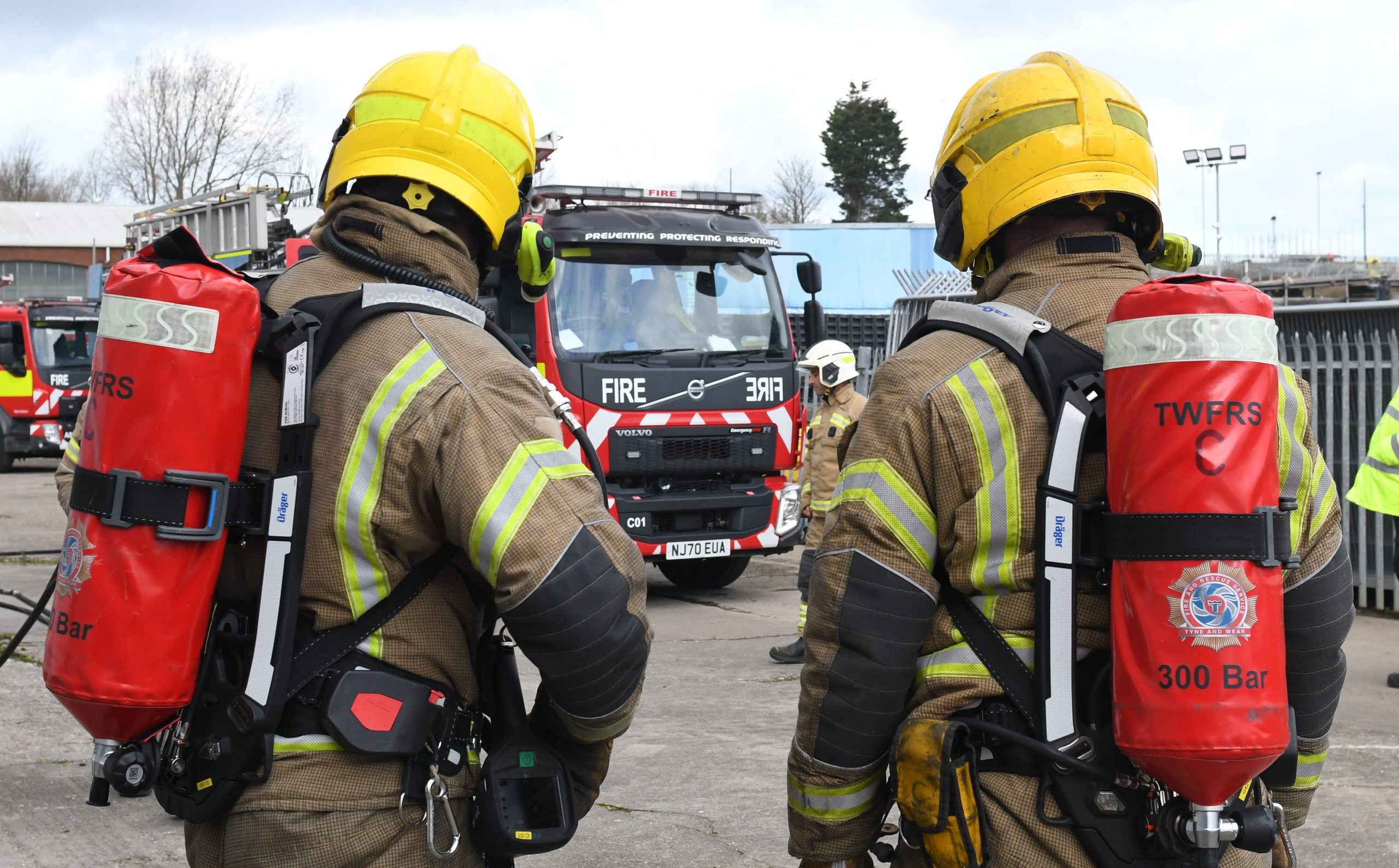
If you have experienced or witnessed a fire or other emergency at your home, we understand this can be a very difficult and stressful time.
We’re here to help. Here you can find practical advice to help you stay safe, look after your health and wellbeing, and begin to recover.
Key Contact Details

Some key details and phone numbers you might need after an incident
• NHS 111 – 111 (24-hour non-emergency health advice and support).
• Northumbria Police Non-Emergency – 101.
• Emergency Services – 999 (for emergencies requiring an immediate response).
• MIND support line – 0300 102 1234
• British Red Cross – 0344 87 1111
Actions and Considerations During or Immediately After an Incident
Your Health and Wellbeing
Experiencing a fire or other emergency can be traumatic, so it is important to prioritise both your physical and emotional wellbeing.
Physical Health
Please ensure that you and your loved ones remain a safe distance from the incident.
Breathing in smoke can be harmful, even if you do not experience symptoms immediately.
If you have any concerns about your health, contact your GP or NHS 111 for advice.
In an emergency, always call 999.
Emotional Wellbeing
Support is available:
- For children, consider informing their school about the incident and asking what pastoral or counselling support may be available.
- NHS England provides information on common emotional responses to traumatic events, practical coping strategies, and sources of support.
- The Mental Health Foundation offers guidance on trauma, what to expect during recovery, and where to seek further help.
- The Mental Health Foundation offers guidance on trauma, what to expect during recovery, and where to seek further help.
Retrieving Valuables and Essential Items
Do not re-enter a property until it has been deemed safe by the relevant authorities.
Once safe access has been confirmed, consider retrieving essential items such as identification documents, medication, mobile phones, keys, wallets, purses, and any items required for immediate daily living.
If you are unsure whether it is safe to enter, seek advice from emergency services or your insurance provider.
Securing the Property
If your property has been damaged, consider what steps may be required to secure it from further damage, weather exposure or unauthorised access.
This may include boarding up windows, temporary repairs to doors, or arranging emergency security measures.
Your insurance provider may be able to assist with these arrangements and advise on any approved contractors.
Alternative Accommodation
If your property is temporarily uninhabitable, you may need to arrange alternative accommodation.
This could include staying with family or friends, contacting your insurance company regarding emergency accommodation provisions, or seeking support from local authority services and partner agencies where appropriate.
Accessing Essentials
Following an incident, you may need assistance accessing everyday necessities, including clothing, toiletries, food, medication, baby supplies, pet care items, or replacement household essentials.
Where required, support may be available through family networks, local authority services, charitable organisations, insurance providers and community support groups.
Actions to Consider Following an Incident
Insurance
Contact your insurance provider as soon as possible to notify them of the incident and begin the claims process.
They will be able to advise on what information is required, including photographs, incident details and any emergency repairs undertaken.
Keep receipts for any expenditure incurred as a result of the incident, as these may be required to support your claim.
Replacing Lost or Damaged Documents
Important documents such as passports, driving licences, bank cards, insurance policies, birth certificates and property records may have been damaged or destroyed during the incident.
Contact the relevant organisations as soon as practicable to arrange replacements and update any temporary contact details if required.
Cleanup Process
Properties affected by fire, smoke, water or other incident-related damage often require specialist cleaning and restoration.
Before beginning any cleanup activities, consult your insurance provider, as they may appoint approved contractors or require an assessment before work commences.
Appropriate personal protective equipment should be used when handling damaged items, and particular care should be taken where smoke contamination, hazardous materials or structural damage may be present.
Recovery and Moving Forward
Recovering from an emergency incident can take time. Whilst practical matters such as insurance, repairs and replacing possessions are important, it is equally important to look after your wellbeing and seek support when needed.
Family, friends, healthcare professionals, employers, schools and community organisations can all play an important role in helping those affected begin the recovery process.
If you have experienced a fire or other emergency attended by Tyne and Wear Fire and Rescue Service (TWFRS), further advice and support may be available through local agencies, health services, your local authority and relevant support organisations.
Remember that recovery is not only about restoring property, but also about supporting the people affected.
Witnessing Traumatic Events
Following a traumatic event, you may experience a number of symptoms.
It may be that the incident has no marked effect on you, or you may be affected and facing a number of strange, new emotions.
A traumatic incident is any event that can be considered to be outside of an individual’s usual experience and causes physical, emotional or psychological harm.
The feelings that you may be experiencing are perfectly normal, it is the nature of the stressful incident that is abnormal.”
Urgent Mental Health Support
- NHS 111, select Option 2 for urgent mental health support (24/7).
- Text relay for D/deaf individuals or those with hearing loss: 18001 111.
Other Helplines
- National Bereavement & Loss Support Line: 0300 303 4434 (available 7am-11pm). This service offers confidential emotional support, practical guidance, and signposting for anyone affected by bereavement, grief, or loss.
- Mind: 0300 123 3393 (Monday-Friday, 9am-6pm). Mind provides confidential advice, information, and support for people experiencing mental health difficulties, helping them access appropriate services and resources to support their wellbeing.
- Samaritans: 116 123 (available 24 hours a day). Samaritans provides free, confidential emotional support to anyone experiencing distress, struggling to cope, or needing someone to listen, regardless of the nature of their concerns.
- The Silver Line: 0800 470 8090 (available 24 hours a day). The Silver Line provides free, confidential support and companionship for older people, offering a friendly listening ear, emotional support, and information to help reduce loneliness and isolation.
- CALM (Campaign Against Living Miserably): 0800 58 58 58 (available 5pm-midnight). CALM provides free, confidential support for anyone struggling with life’s challenges, feeling overwhelmed, or experiencing thoughts of suicide, offering a safe space to talk and access practical help and information.
- Victim Supportline: 0808 1689 111 (available 24 hours a day, 7 days a week). Victim Support provides free, confidential emotional and practical support to anyone affected by crime or traumatic incidents, regardless of whether the incident has been reported to the police.
- Hoarding Support: 0203 239 1600 (Monday-Friday, 10am-5pm). Hoarding Support provides advice, guidance, and specialist support for individuals affected by hoarding behaviours, as well as for family members, carers, and professionals seeking information and practical assistance.
- Red Cross Crisis Response Centre: 0300 023 0700 (available 24 hours a day, 7 days a week). The Red Cross Crisis Response Centre provides practical and emotional support to people affected by emergencies, crises, and significant life events, helping individuals access assistance, information, and community support when they need it most.